 Blog's Page
 Blog's Page
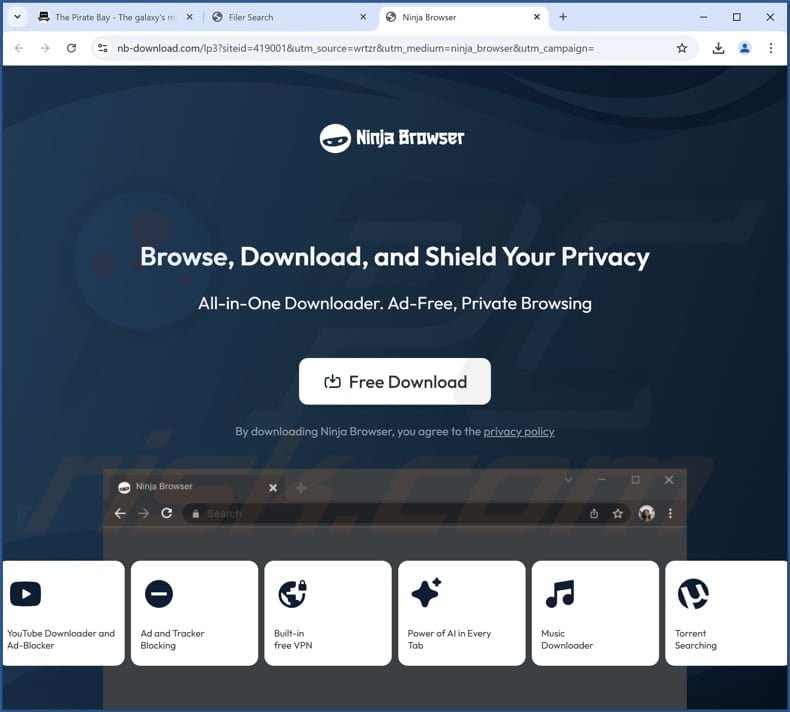
In Recent Months, Ninja Browser Has Become A Subject Of Growing Concern Among Internet Users And Cybersecurity Experts Alike. Despite Its Seemingly Harmless Name, This Browser Is Categorized As A Potentially Unwanted Program (PUP) that Can Compromise Your Browsing Experience, Privacy, And System Performance. Many Users Download It Unintentionally, Often Bundled With Freeware, Fake Software Updates, Or Deceptive Pop-up Ads. Once Installed, It Can Alter Browser Settings, Inject Intrusive Ads, And Collect Personal Data Without Consent.
Ninja Browser Claims To Offer A Faster And Safer Browsing Experience, But In Reality, It Functions As A browser Hijacker That Manipulates Search Settings And Redirects Users To Dubious Websites. This Unwanted Program Typically Replaces Your Default Search Engine, Homepage, And New Tab Page With Suspicious Domains Or Advertising Portals. These Redirects Often Lead To affiliate Sites, Phishing Pages, Or Even Malware-infected Destinations Designed To Steal Your Data Or Generate Fake Ad Revenue.
The Developers Behind Ninja Browser Use Aggressive Marketing And bundled Software Distribution Tactics to Spread It Widely. It Often Gets Installed Silently Alongside Free Media Players, PDF Converters, Or Cracked Software Obtained From Unreliable Sources. Because Of This Deceptive Distribution Method, Many Users Are Unaware Of Its Presence Until They Notice Unusual Browser Behavior Or Persistent Pop-up Ads.
Once Ninja Browser Infiltrates A System, Several Warning Signs May Appear:
In Many Cases, Even If Users Try To Revert Settings Manually, Ninja Browser Reverts Them Back, Proving That The Program Embeds Deeply Into Browser Configurations And System Registry Files.
Beyond Being An Annoyance, Ninja Browser Raises Significant privacy Concerns. It Collects Data About Users’ Browsing Habits, Including Search Terms, Visited Websites, IP Addresses, Location, And Even Device Specifications. This Data Can Be Shared With Third-party Advertisers And Analytics Networks For Targeted Advertising Campaigns.
While This Behavior Might Seem Like Standard Ad-tracking, The Real Danger Lies In data Misuse. Sensitive Information Collected By PUPs Can Be Exploited For identity Theft, Fraudulent Purchases, Or Spam Campaigns. Therefore, Security Researchers Strongly Recommend Treating Ninja Browser As A Threat Rather Than A Legitimate Application.
Users Often Install Ninja Browser Unknowingly During The Setup Of Other Free Applications. This Method Is Known As software Bundling—a Deceptive Practice Where Unwanted Programs Are Pre-selected For Installation In The Background. To Avoid Such Situations, Always Choose Custom Or Advanced Installation during Software Setup And Deselect Any Additional Components You Do Not Recognize.
Sometimes, Ninja Browser May Also Appear Through Fake Download Buttons, Drive-by Downloads, Or Malicious Ads That Trick Users Into Installing It As A “security Update” Or “browser Optimization Tool.”
Removing Ninja Browser Manually Can Be Difficult Because It Integrates With System Settings And Re-launches Through Background Processes. Here’s A Step-by-step Guide For Safe Removal:
1. Uninstall From Control Panel Or Settings:
Open The Control Panel (Windows) Or Applications Folder (macOS) And Uninstall Any Program Named Ninja Browser Or Related Suspicious Entries.
2. Reset Web Browsers:
3. Remove Extensions And Add-ons:
Check The Extensions Section In Your Browser And Delete All Unfamiliar Or Newly Added Plug-ins.
4. Use A Trusted Antivirus Or Anti-Malware Tool:
Run A full System Scan with A Reputable Security Solution Like Bitdefender, Norton, Or Malwarebytes. These Tools Can Detect And Eliminate Any Leftover Files, Registry Entries, Or Hidden Executables Associated With Ninja Browser.
5. Clear Cache And Temporary Files:
Delete Browser Cache, Cookies, And Temporary Files To Remove Tracking Data And Prevent Reinstallation Triggers.
To Protect Your Device From Unwanted Programs Like Ninja Browser, Practice safe Browsing Habits and Maintain A Reliable Cybersecurity Setup. Here Are A Few Essential Tips:
While Ninja Browser May Not Be As Destructive As Full-fledged Malware, It Poses A Serious Risk To Your online Privacy, System Performance, And Browsing Integrity. Its Deceptive Installation Techniques And Data-harvesting Behavior Make It A Potential Security Threat. Prompt Detection And Removal Are Crucial To Restoring A Safe And Smooth Browsing Experience.
If You Ever Notice Your Browser Acting Strangely—redirecting To Unknown Pages, Showing Excessive Ads, Or Installing Unwanted Extensions—run A Comprehensive Scan Immediately. Staying Vigilant And Using A Reliable Cybersecurity Solution Is The Best Defense Against Potentially Unwanted Programs (PUPs) Like Ninja Browser.
Step 1: Boot Into Safe Mode
Restart Your PC And Press F8 (or Shift + F8 For Some Systems) Before Windows Loads.
Choose Safe Mode With Networking.
Safe Mode Prevents Most Malware From Loading.
Press Win + R, Type appwiz.cpl, And Press Enter.
Sort By Install Date And Uninstall Unknown Or Recently Added Programs.
Use A Trusted Anti-malware Tool:
Malwarebytes – https://www.malwarebytes.com
Screenshot Of Malwarebytes - Visit Links
Microsoft Defender – Built Into Windows 10/11
HitmanPro, ESET Online Scanner, Or Kaspersky Virus Removal Tool
ZoneAlarm Pro Antivirus + Firewall NextGen
VIPRE Antivirus - US And Others Countries, | India
Run A Full Scan And Delete/quarantine Detected Threats.
Win + R, Type temp → Delete All Files.Press Win + R, Type %temp% → Delete All Files.
Use Disk Cleanup: cleanmgr In The Run Dialog.
Go To: C:\Windows\System32\drivers\etc
Open hosts File With Notepad.
Replace With Default Content:
Press Ctrl + Shift + Esc → Open Task Manager
Go To Startup Tab
Disable Any Suspicious Entries.
Open Command Prompt As Administrator.
Run These Commands:
netsh Winsock Reset

netsh Int Ip Reset

ipconfig /flushdns
Unwanted Homepage Or Search Engine
Pop-ups Or Redirects
Unknown Extensions Installed
For Chrome:
Go To: chrome://extensions/
Remove Anything Unfamiliar
For Firefox:
Go To: about:addons → Extensions
Remove Suspicious Add-ons
For Edge:
Go To: edge://extensions/
Uninstall Unknown Add-ons
Chrome:
Go To chrome://settings/reset → "Restore Settings To Their Original Defaults"
Firefox:
Go To about:support → "Refresh Firefox"
Edge:
Go To edge://settings/resetProfileSettings → "Reset Settings"
All Browsers:
Use Ctrl + Shift + Del → Select All Time
Clear Cookies, Cached Files, And Site Data
Make Sure They Are Not Hijacked.
Chrome: chrome://settings/search
Firefox: about:preferences#search
Edge: edge://settings/search
Chrome: chrome://settings/cleanup
Use Malwarebytes Browser Guard For Real-time Browser Protection.
Always Download Software From Trusted Sources.
Keep Windows, Browsers, And Antivirus Updated.
Avoid Clicking Suspicious Links Or Ads.
Use ad Blockers And reputable Antivirus Software.
Backup Your Files Regularly.
To Remove Malware From Your Windows PC, Start By Booting Into Safe Mode, Uninstalling Suspicious Programs, And Scanning With Trusted Anti-malware Tools Like Malwarebytes. Clear Temporary Files, Reset Your Network Settings, And Check Startup Apps For Anything Unusual.
For web Browsers, Remove Unwanted Extensions, Reset Browser Settings, Clear Cache And Cookies, And Ensure Your Homepage And Search Engine Haven’t Been Hijacked. Use Cleanup Tools Like Chrome Cleanup Or Browser Guard For Added Protection.
?? Prevention Tips: Keep Software Updated, Avoid Suspicious Downloads, And Use Antivirus Protection Plus Browser Ad Blockers. Regular Backups Are Essential.
Why It Matters: Not All VPNs Offer Malware Protection.
What To Look For: Providers With built-in Malware/ad/tracker Blockers (e.g., NordVPN’s Threat Protection, ProtonVPN’s NetShield).
Purpose: Prevents Data Leaks If Your VPN Connection Drops.
Benefit: Ensures Your Real IP And Browsing Activity Aren’t Exposed To Malware-distributing Websites.
Why It Matters: DNS Leaks Can Expose Your Online Activity To Attackers.
Solution: Enable DNS Leak Protection In Your VPN Settings Or Use A Secure DNS Like Cloudflare (1.1.1.1).
Risk: Free VPNs Often Contain Malware, Sell User Data, Or Lack Security Features.
Better Option: Use Reputable Paid VPNs That Offer security Audits And Transparent Privacy Policies.
Some VPNs Block Known Phishing And Malicious Sites.
Example: Surfshark’s CleanWeb, CyberGhost’s Content Blocker.
Reason: Security Patches Fix Known Vulnerabilities.
Tip: Enable Auto-updates Or Check For Updates Weekly.
Scope: Malware Can Enter Through Phones, Tablets, Or IoT Devices.
Solution: Install VPN Apps On Every Internet-connected Device.
Fact: VPNs Do Not Remove Or Detect Malware On Your System.
Complement It With:
Antivirus Software
Firewall
Browser Extensions For Script Blocking
VPN Encrypts Traffic But Can’t Stop Malware From Executing If You Download Infected Files.
Split Tunneling Allows Certain Apps/sites To Bypass VPN.
Tip: Never Exclude Browsers, Email Clients, Or Download Managers From VPN Tunneling.
A VPN (Virtual Private Network) Enhances Your Online Privacy By Encrypting Your Internet Traffic And Masking Your IP Address. It Protects Your Data On Public Wi-Fi, Hides Browsing Activity From Hackers And ISPs, And Helps Bypass Geo-restrictions. VPNs Also Add A Layer Of Defense Against Malware By Blocking Malicious Websites And Trackers When Using Advanced Features. However, A VPN Does Not Remove Existing Malware Or Act As Antivirus Software. For Full Protection, Combine VPN Use With Antivirus Tools, Regular Software Updates, And Cautious Browsing Habits. Always Choose A Reputable VPN Provider With Strong Security And Privacy Policies.
Ninja Browser, Remove Ninja Browser, Delete Ninja Browser, How To Remove Ninja Browser, Ninja Browser Removal Guide